
Contractual Disputes
Contractual Disputes: Confidently Navigating Conflicts
Have you ever found yourself involved in a contract dispute and forced to examine every phrase and condition? Contractual conflicts can affect anyone (business owners, contractors, or even individuals who have signed an agreement), unexpectedly causing significant stress and financial loss. With over 12 years of expertise in legal services and dispute resolution, our approach is specifically designed to address the unique challenges that arise when parties interpret or execute contractual responsibilities differently. This article defines contractual conflicts, examines their causes, and offers techniques to resolve them effectively while safeguarding your relationships and interests.
Defining Contractual Conflicts
A contractual dispute essentially occurs when two or more parties disagree on the terms, obligations, or performance of a contract. Such conflicts may arise from breaches, vague wording, or a basic misinterpretation of the contract’s intent. Even the most well-crafted agreement can lead to conflicts if one party believes that the agreed terms have not been respected or if there is a different understanding of the language used.
Typical Sources of Contractual Conflict
- Ambiguous or obscure language that allows multiple interpretations.
- Failure by one party to fulfil their contractual obligations, such as delayed delivery of products or non-payment, which may also be addressed through our debt recovery service.
- Breach of contract that may be minor or significant, potentially leading to claims for damages.
- Disputes over changes or additional provisions as the contract evolves over time.
- Instances of misrepresentation or fraud where one party may have been induced to sign the contract on false pretences.
- External factors such as natural disasters or other unanticipated events, which disrupt contractual obligations.
Various Types of Contractual Conflict
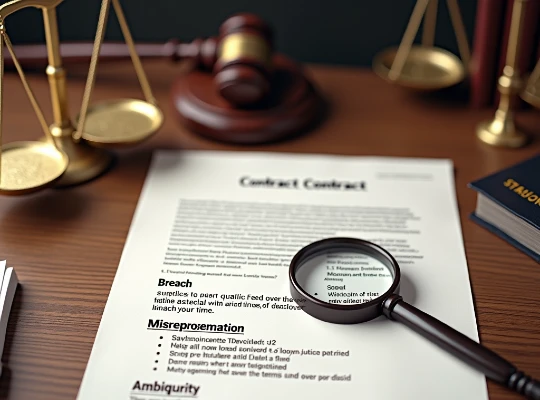
- Contractual Breach: Occurs when one party fails to perform as expected, for example, a supplier not providing quality items on time.
- Misrepresentation: Arises when false claims lead a party to enter into an agreement, only for the actual performance to fall short of what was promised.
- Mistake or Misunderstanding: Disputes resulting from ambiguous language that leads to divergent expectations regarding performance, delivery, or cost.
- Claims of Unfair or Disproportionate Terms: When one party feels compelled into an agreement under terms that are excessively one-sided or unfair.
How Do Business Contractual Disputes Develop?
Contracts form the backbone of every business relationship by setting out clear expectations and responsibilities. However, disputes can develop even in well-written agreements due to several factors:
- Complexity of Agreements: In complex business deals, even a minor misinterpretation can lead to significant disagreements.
- Rapid Business Changes: What once was a reasonable agreement may become problematic if one party’s circumstances change drastically.
- Lack of Clear Communication: When expectations are not communicated clearly during negotiations, misunderstandings are almost inevitable.
- Poor Contract Management: Without diligent management and periodic reviews, potential issues may go unnoticed until they escalate into full-blown conflicts.
Contractual Conflict Resolution
1. Review the Contract Meticulously
Examine the contract carefully to identify the disputed clauses. Look for any ambiguous language that might be open to multiple interpretations, and record each party’s responsibilities.
2. Compile Evidence
Gather all pertinent documents that support your interpretation of the contract, such as invoices, emails, letters, and witness statements from discussions or negotiations.
3. Open Negotiations and Communication
Initiate a discussion with the other party by clearly and calmly explaining your perspective. A willingness to listen and compromise can often resolve misunderstandings before they escalate. For guidance on reaching a mutually acceptable settlement, consider our settlement agreements services.
4. Consider Alternative Dispute Resolution (ADR)
If direct negotiation does not yield a solution, methods such as mediation or arbitration may provide a faster and more cost-effective resolution than formal litigation. These ADR methods allow a neutral third party to assist both sides in arriving at a compromise they can all accept.
5. Litigation: The Last Resort
If all other options have been exhausted, litigation may become necessary. However, legal proceedings can be lengthy, expensive, and may permanently strain business relationships. Working closely with your legal team is essential to ensure that every piece of evidence is well documented and that your legal rights are fully understood. For comprehensive support during litigation, explore our civil litigation services.
Actual Events and Professional Knowledge

Consider a scenario where a manufacturing company incurred substantial losses because a major supplier missed crucial deadlines. Mediation eventually helped both parties understand each other’s perspectives and reach a fair settlement, effectively resolving the conflict. This example demonstrates that a measured approach focusing on negotiation and compromise can not only resolve a dispute but also preserve a long-term commercial relationship.
The Role of a Contractual Disputes Lawyer
Having a specialist at your side can make all the difference. A contractual disputes lawyer will:
- Examine your contract closely to identify potential issues and provide a detailed analysis of your case.
- Lead negotiations and mediate discussions to craft a settlement that protects the clients interests.
- Offer robust representation in court if litigation becomes necessary, ensuring your case is presented effectively.
Their expertise is particularly valuable when handling complex commercial agreements or disputes with significant financial implications.

Preventing Contractual Conflicts: Effective Strategies
Prevention is always preferable to resolution. Here are some proactive steps you can take to avoid contractual conflicts:
- Draft a clear and unambiguous contract using straightforward language to minimise misinterpretation.
- Include a comprehensive dispute resolution clause that outlines procedures for mediation, arbitration, or other ADR methods.
- Regularly review and update contracts to ensure they remain relevant as business needs evolve.
- Maintain open and honest communication with all parties throughout the contractual relationship.
- Train your staff to understand key terms and obligations, thereby reducing the risk of inadvertent breaches.
Conclusion: Securing Your Future Through Effective Dispute Resolution

Contractual conflicts can be complex, time-consuming, and emotionally draining, but they do not have to spell disaster for your business or personal affairs. By understanding the root causes, implementing proactive measures, and seeking the appropriate legal support, you can confidently navigate even the most challenging disputes. Taking control of your contractual conflicts today will protect your company’s and your personal interests for the future. The right legal advice, such as that provided through our civil litigation and settlement agreements services, can help you secure a fair and amicable resolution that preserves important relationships and supports your long-term success.
Ready to talk? Book a free 15 mins Consultation
Frequently Asked Questions
What counts as a valid contract under English law?
A binding contract under English law generally requires offer, acceptance, consideration, intention to create legal relations, and certainty of terms. Written form is not always required, but oral or implied contracts can be much harder to evidence when a dispute arises. We routinely review contracts to confirm whether they are enforceable before any claim is issued.
What remedies are available if the other party breaches a contract?
The most common remedy is damages, designed to put you in the position you would have been in had the contract been performed. Other remedies include specific performance (ordering the party to do what they promised), an injunction restraining a breach, rescission, and recovery of debts due. We will advise on which remedy realistically fits your facts and commercial goals.
When can a court order specific performance instead of damages?
Specific performance is a discretionary equitable remedy and tends to be granted only where damages would be inadequate, for example in sales of land or unique goods. It is rarely available for personal services or where the court would have to supervise the performance. We will tell you upfront whether a specific performance claim is realistic before you incur costs.
Do we have to try mediation before issuing court proceedings?
Mediation is not formally compulsory, but the Civil Procedure Rules and most pre-action protocols expect parties to consider Alternative Dispute Resolution. An unreasonable refusal to mediate can be penalised in costs, even by a winning party. We typically explore mediation or without-prejudice negotiation in parallel with preparing the claim.
How long do I have to bring a contract claim?
Under the Limitation Act 1980 the standard limitation period is 6 years from the date of breach for a simple contract, and 12 years for a contract made by deed. There are exceptions for fraud, latent damage, and certain consumer claims. If you suspect a breach has already occurred, contact us promptly so the clock does not run out.
What does a contractual disputes solicitor do for me?
We review the contract and supporting documents, set out a realistic case strategy, draft pre-action correspondence, negotiate where possible, and represent you in mediation, arbitration, or court. Our aim is to recover what is owed or defend a claim against you while protecting key commercial relationships and minimising cost where we can.

Get in Touch
Please provide as much information as you can using this form. This will help us save time by having the most appropriate and relevant team member to contact you.
If you prefer not to share information in writing, you can request a callback using any of the other forms above.
Please make sure to send us your mobile number and email address so that we may contact you promptly.
Have Information to Share?